
PET vs PP: Key Differences
| Feature | PP Packaging | PET Packaging |
|---|---|---|
| Heat resistance | Generally higher; suitable grades are widely used for hot-fill or reheatable applications | Standard amorphous PET has more limited heat resistance; heat-resistant PET systems also exist |
| Microwave use | Commonly used when the grade and finished package are designed and validated for microwave use | Standard PET is generally not intended for microwave heating; specialized heat-resistant PET systems may be used |
| Transparency | Typically lower than clear PET; depends on grade and formulation | Typically excellent for clear-display applications |
| Rigidity | Good toughness and flexibility; depends on grade and design | Often higher stiffness and strong dimensional presentation |
| Frozen applications | Impact-modified grades can improve low-temperature toughness | Suitable for many chilled/cold-display applications; frozen suitability depends on grade and package design |
| Typical strength | Thermal performance and toughness | Clarity, stiffness and presentation |
PP Packaging: When Thermal Performance and Toughness Matter
PP is widely used for food containers, takeaway packaging and reheatable meal packaging because many PP grades combine relatively high temperature resistance with good toughness. Actual performance depends on resin grade, package geometry, wall thickness, manufacturing process and intended conditions of use.
Heat Resistance and Reheating Applications
Depending on the specific grade and validated package design, PP may be suitable for microwaveable food containers, hot food packaging, ready-to-eat meal trays and takeaway containers. Microwave compatibility should not be assumed from the material name alone. The specific PP grade and finished package should be designed and validated for the intended heating conditions.
Frozen and Low-Temperature Applications
Specially formulated or impact-modified PP can improve low-temperature toughness and help reduce cracking risks during frozen storage and transportation. This may affect optical properties such as clarity, so material selection should balance mechanical performance, visibility and actual logistics conditions.
PET Packaging: When Clarity and Presentation Matter
PET is widely used where product visibility, stiffness and retail presentation are important. Clear PET can provide a premium appearance while maintaining good dimensional stability in many chilled and ambient applications.
Excellent Clarity
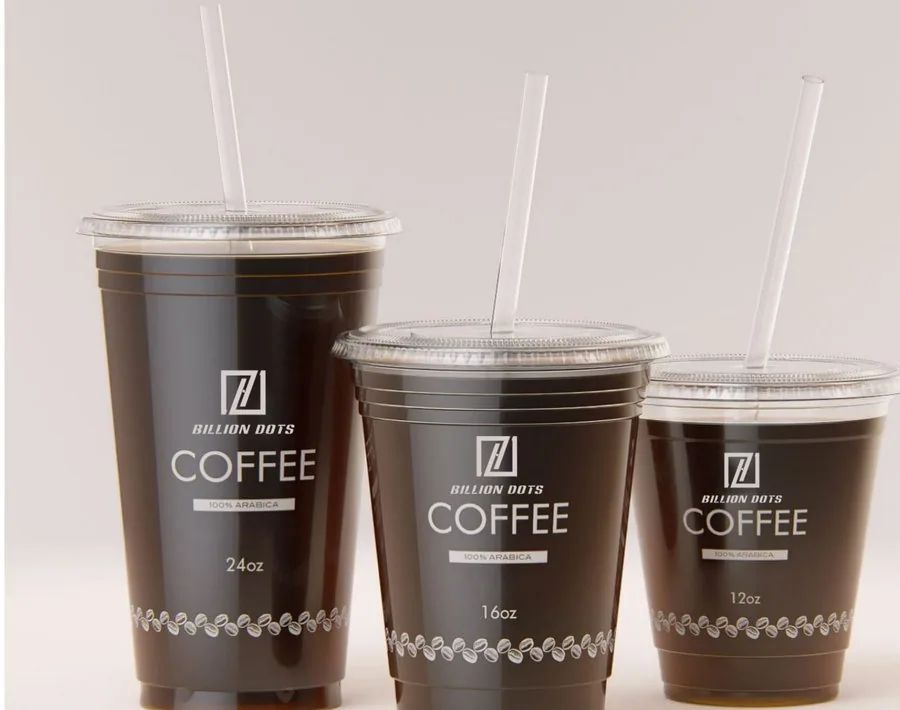
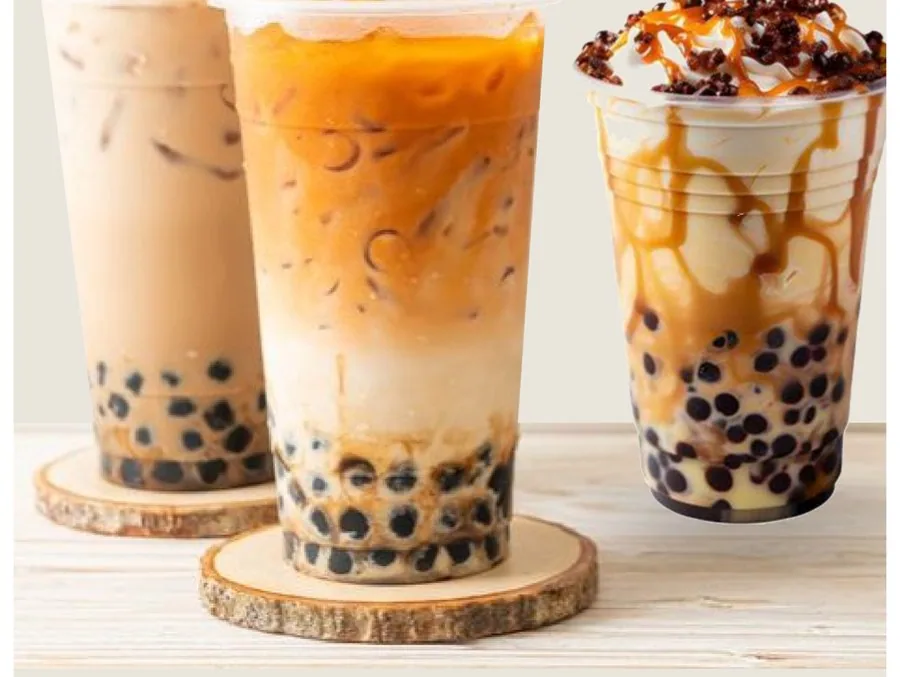
Common clear-display applications include dessert cups, salad containers, fresh food packaging, beverage packaging and retail display packaging.
Stiffness and Dimensional Presentation
Compared with many standard PP packaging grades, PET often provides higher stiffness and a more rigid presentation. Actual performance still depends on resin grade, sheet thickness, orientation, processing conditions and package geometry.
Is PET Suitable for Microwave Heating?
Standard amorphous PET packaging is generally not intended for microwave heating. However, heat-resistant PET systems such as CPET can be engineered for higher-temperature applications. Microwave suitability should therefore be determined from the specific material grade, package design and validated conditions of use rather than from the material name alone.
Is PP Suitable for Microwave Applications?
PP is commonly used for microwaveable food packaging because many PP grades offer relatively high heat resistance. However, microwave suitability should be confirmed for the specific resin grade and finished package under its intended conditions of use.
Is PP or PET Better for Frozen Food Packaging?
There is no universal answer. Frozen-food performance depends on resin grade, package design, temperature range, impact requirements, transportation conditions and visibility requirements. Choose specially formulated or impact-modified PP when low-temperature toughness and resistance to cracking during frozen logistics are priorities. Choose PET when transparency, clear product visibility, shelf presentation and a rigid package appearance are more important for chilled or cold-display products.
How Billion Dots Evaluates Packaging Materials
At Billion Dots, material selection starts with the intended application. We consider food type, temperature, storage conditions, package structure, manufacturing process, product visibility, transport requirements and target-market food-contact requirements before recommending a material solution.
Final Recommendation
There is no universally better material between PET and PP. Choose a suitable PP grade when thermal performance and toughness are the priority. Choose a suitable PET grade when clarity, stiffness and premium presentation are more important. For critical applications, the final decision should be confirmed using the specific resin grade and finished-package validation.
Frequently Asked Questions
| Question | Answer |
|---|---|
| Is PP better than PET for hot food packaging? | PP is commonly preferred for many hot-food and reheatable applications because suitable PP grades can offer higher temperature resistance than standard amorphous PET. Final suitability still depends on the specific grade and package design. |
| Is PET more transparent than PP? | Clear PET typically provides higher transparency than standard PP packaging, which is why PET is frequently selected when product visibility and shelf presentation are important. |
| Can modified PP be used for frozen food packaging? | Yes. Specially formulated or impact-modified PP can improve low-temperature toughness. Actual performance should be confirmed for the selected grade and package design, and increased toughness may affect clarity. |
| Why is standard PET generally not recommended for microwave use? | Standard amorphous PET packaging has more limited heat resistance and may deform under elevated temperatures. Specialized heat-resistant PET systems such as CPET are a separate case and can be designed for higher-temperature applications. |